Notice
Welcome Beaver Dam patients! For information about the transition to UW Health, please review our frequently asked questions page.Read more
We use cookies on this site to enhance your experience and improve our marketing efforts. By continuing to browse without changing your browser settings to block or delete cookies, you agree to the storing of cookies and related technologies on your device.Learn More
Welcome Beaver Dam patients! For information about the transition to UW Health, please review our frequently asked questions page.Read more
Renal autotransplant

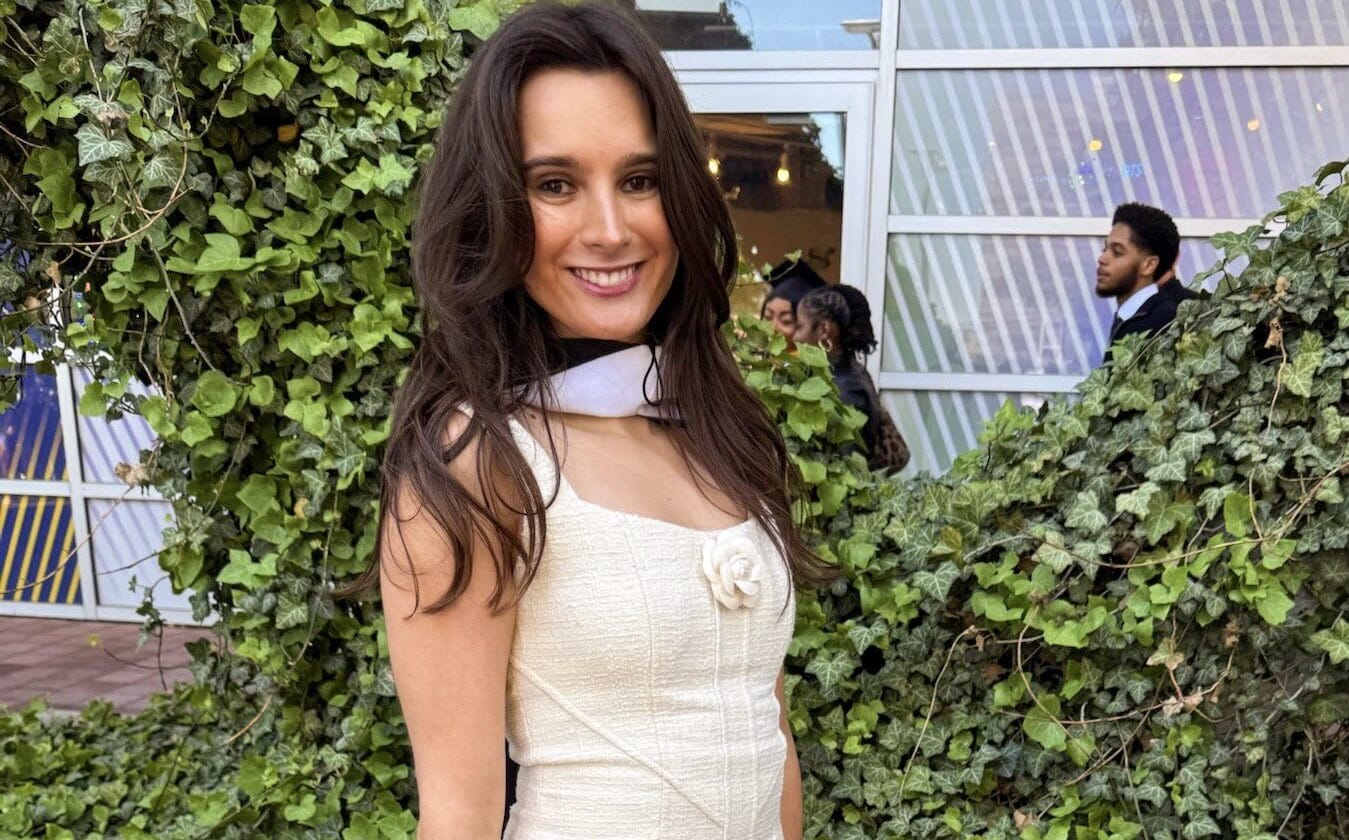
Not many people receive the opportunity for a two-in-one surgery—an opportunity both to fix a painful condition that has been plaguing them and to save someone else’s life.
But Olivia Glick, 24, did—she underwent the first-ever therapeutic kidney donation at the UW Health Transplant Center, during which she eliminated her pain from nutcracker syndrome and donated a kidney to a stranger.
“I never imagined where this whole journey could lead,” she said. “It’s probably the most meaningful thing to ever happen to me.”
Six years ago, Olivia was a freshman in college and experiencing severe abdominal pain that doctors struggled to explain. She visited doctor after doctor and ultimately underwent both a laparoscopic exploratory surgery (during which her surgeon removed her appendix and treated her endometriosis) and a stent placement. Neither surgery helped alleviate the pain.
“Nothing worked," she said. "Then I moved back home from college and went to the same surgeon who performed the endometriosis surgery. She said, ‘I think you might have vascular compression,’ and recommended that I visit an interventional radiologist.”
Among the interventional radiologist’s findings: Olivia had May-Thurner syndrome, a condition in which the right iliac artery presses on and squeezes the left iliac vein against the spine, which blocks blood flow from the left leg. Olivia also appeared to have compression of her left renal vein, which would indicate a condition called nutcracker syndrome. But she didn’t have one of the primary symptoms of that ailment, flank pain, which baffled the doctor.
After much research, Olivia decided to contact UW Health, which is one of the leading centers in the country for nutcracker syndrome.
When Olivia came to UW Health in October 2025, she met Dr. David Foley, a transplant surgeon and the medical director of the Renal Autotransplant Program. Renal autotransplant is one solution to several different kinds of compression syndromes. During a renal autotransplant, surgeons move the kidney to a different location in the body, usually the pelvis, to relieve pressure on blood vessels and reduce pain.
But there’s sometimes another option—one that’s been gaining traction across the U.S. over the past five years: a therapeutic kidney donation. During the procedure, the surgeon still removes the troublesome kidney. But instead of being replaced in the body, the kidney instead goes to someone who needs a kidney transplant.
“Therapeutic kidney donation has emerged as a procedure for selected patients to relieve their pain and give them the psychological benefit of kidney donation,” said Dr. Foley.
Of the two options, Olivia decided she liked the therapeutic kidney donation best. “The autotransplant is a great option that works for a lot of people,” she said. “It just wasn’t for me. I had done so much research on all the options, and I decided that for my specific case, I had gone through enough procedures and surgeries. The therapeutic kidney donation was going to be an easier recovery, and it allowed me to do something good.”
To make the therapeutic donation, however, Olivia needed to be cleared as a kidney donor.
“Any patient who is interested in therapeutic kidney donation needs to undergo a thorough evaluation by the donor team,” said Dr. Foley. “If they are deemed a suitable candidate, then they can move ahead.”
Olivia passed all her tests with flying colors, and her surgery was scheduled for July 15, 2026.
While UW Health Transplant Center had performed hundreds of living kidney donations, none of them had been specifically for therapeutic use. Olivia’s was the first.
She donated through the National Kidney Registry's family voucher program. Which means if any of the people she named on her list ever need a kidney, they will be eligible to receive a kidney donation from a stranger who is also in the registry.
She doesn’t know who received her kidney. But she hopes they are doing well. “The donation added such a meaningful layer to all of this,” she said.
Since her surgery, Olivia says she’s amazed by the results. “I have the most energy I’ve had in my whole life,” she said. “I’m completely pain-free—that’s something I noticed right away. After the first few days, I had this surge of energy. I’m very grateful for Dr. Foley and that he didn’t give up on me.”